

Wood-Fired vs Gas Pizza Ovens: Pros and Cons
There is something special about making fresh pizza at home or serving it in a commercial setting. The right cooking equipment plays a major role in flavour, texture, cooking speed, and the overall experience. Whether you are preparing meals for family gatherings or running a busy restaurant, selecting the best option requires careful consideration. Many people researching pizza ovens quickly discover that each type has unique strengths and limitations.
Choosing between wood-fired and gas models is not simply about taste. Factors such as installation requirements, fuel availability, maintenance, operating costs, and ease of use should all influence your decision. Understanding these differences helps ensure your investment matches your cooking habits and long-term needs.
This guide explores the advantages and disadvantages of both options, compares their performance in everyday use, and highlights the practical considerations that often matter just as much as cooking results. By weighing the pros and cons carefully, you can make a confident decision that suits your home or business.
Understanding the Two Main Types
Both wood-fired and gas-powered cooking systems are designed to reach extremely high temperatures that create crisp crusts, bubbling cheese, and perfectly cooked toppings within minutes. Although they share the same goal, they achieve it in different ways.
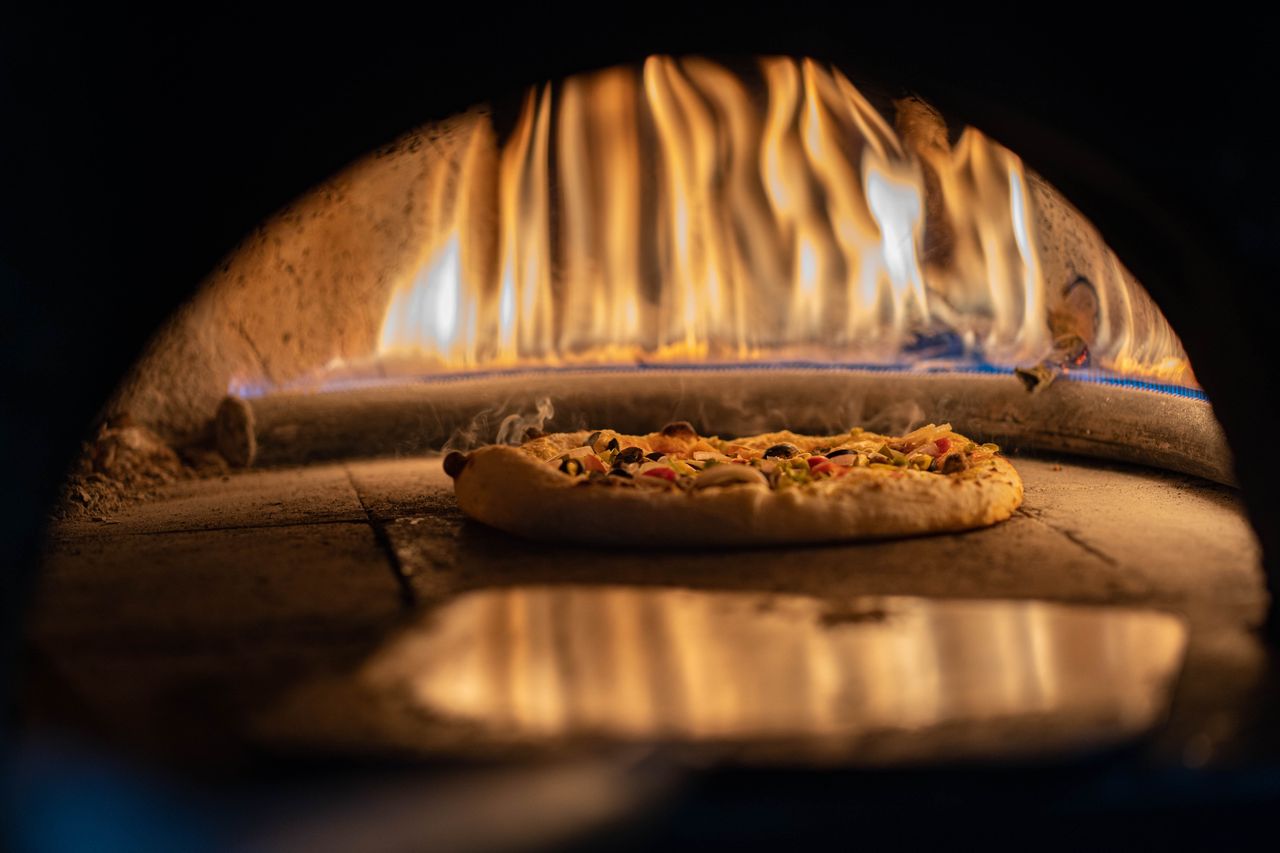
Wood-fired units burn hardwood logs to generate heat, creating flames that surround the cooking chamber. Gas-powered alternatives rely on burners connected to natural gas or LPG, providing consistent heat that can be adjusted with precision.
Neither option is universally better. The right choice depends on how you intend to use it, your available space, and the cooking experience you want to create.
Why Many People Prefer Wood-Fired Cooking
Wood-fired cooking has been associated with traditional pizza making for centuries. The visible flames, crackling fire, and smoky aroma create an authentic atmosphere that many enthusiasts appreciate.
One of the biggest advantages is flavour. Hardwood produces subtle smoky notes that can enhance the taste of dough and toppings without overpowering them.
Additional benefits include:
- Exceptional heat retention once fully warmed.
- Attractive centrepiece for outdoor entertaining.
- Traditional cooking experience.
- Ability to cook bread, roasted vegetables, meats, and desserts.
- No dependence on a gas connection while fuel is available.
Many homeowners also enjoy the ritual of lighting the fire, managing the flames, and learning how to cook using traditional techniques.
Challenges of Wood-Fired Models
Despite their appeal, these cooking systems require more attention and practice.
Lighting the fire takes time, and reaching the ideal cooking temperature may require 30 to 60 minutes depending on the design and weather conditions. Throughout cooking, additional wood must often be added to maintain consistent temperatures.
Cleaning can also be more involved because ash needs to be removed regularly. Chimneys and ventilation systems should be inspected periodically to ensure safe operation.
Learning proper fire management is another consideration. Uneven flames or excessive fuel can create hot spots that affect cooking consistency.
Benefits of Gas Cooking
Gas-powered models have become increasingly popular because they offer convenience without sacrificing excellent cooking performance.
Heat is available almost immediately after ignition, allowing users to begin cooking much sooner. Temperature adjustments are simple, making it easier to achieve consistent results across multiple pizzas.
For busy households and commercial kitchens, this level of control can significantly improve efficiency.
Comparing Key Features
When deciding between both options, consider the following important factors:
- Heating time and overall convenience.
- Cooking consistency across multiple pizzas.
- Fuel availability and long-term operating costs.
- Maintenance requirements and cleaning effort.
- Installation space and ventilation needs.
- Desired flavour profile.
- Frequency of use throughout the year.
Evaluating each category honestly often makes the final decision much easier.
Flavour Differences
Taste is one of the most discussed topics when comparing these cooking methods.
Wood smoke naturally adds subtle complexity to the finished product, particularly when quality hardwood is used correctly. Many traditionalists believe this creates a richer and more authentic flavour.
Gas models, however, deliver clean heat that allows the ingredients themselves to stand out. High-quality dough, fresh tomato sauce, premium cheese, and carefully selected toppings remain the primary contributors to flavour.
In blind taste tests, many people struggle to consistently distinguish between expertly prepared pizzas cooked using different fuel sources. Cooking technique frequently matters more than the fuel itself.
Ease of Operation
Convenience is often where gas-powered systems excel.
Ignition typically requires the push of a button, while temperature adjustments can be made instantly using simple controls. This makes them particularly suitable for beginners who want predictable results.
Wood-fired cooking requires greater involvement throughout the process. Fire management, log placement, airflow, and heat distribution all influence cooking performance.
Some people view this learning curve as a disadvantage, while others consider it an enjoyable part of the experience.
Installation and Space Considerations
Before making a purchase, think carefully about where the unit will be installed.
Outdoor installations are the most common, although some commercial kitchens have specially designed indoor systems with appropriate ventilation.
Factors to evaluate include:
- Available floor space.
- Safe clearance from surrounding structures.
- Local building regulations.
- Ventilation requirements.
- Weather protection.
- Accessibility for fuel storage.
- Future maintenance access.
Planning these details early can help avoid costly modifications later.
Maintenance Requirements
Every cooking appliance requires regular maintenance, but the workload differs.
Wood-burning systems require ash removal, periodic chimney inspections, and occasional cleaning of soot buildup. Moisture exposure should also be minimised to extend the life of the cooking chamber.
Gas-powered models generally involve cleaning food residue, checking burners, inspecting gas connections, and ensuring ignition systems remain in good working condition.
Neither option is maintenance-free, but gas units typically require less day-to-day cleaning.
Fuel Costs Over Time
Operating expenses vary depending on local fuel prices and usage frequency.
Those with easy access to affordable hardwood may find wood-burning economical. Others may discover that purchasing quality firewood regularly increases long-term costs.
Gas prices also fluctuate, but fuel consumption is often easier to estimate because burner output remains relatively consistent.
If the appliance will be used several times each week, comparing ongoing fuel expenses may be just as important as comparing purchase prices.
Cooking Beyond Pizza
Many buyers focus solely on pizza before realising how versatile these cooking systems can become.
High temperatures and retained heat make them suitable for preparing a wide variety of meals.
Roasted meats develop crisp exteriors while remaining juicy inside. Fresh bread benefits from excellent crust formation, and vegetables caramelise beautifully under intense heat. Some users even prepare desserts such as fruit crumbles, baked apples, and rustic pastries.
This versatility can increase the overall value of your investment.
Which Option Suits Different Users?
Different cooking styles often favour different solutions.
Families that enjoy relaxed weekend entertaining may appreciate the atmosphere and traditional experience offered by wood-burning designs.
People with busy schedules often prefer gas because it allows spontaneous cooking without lengthy preparation.
Commercial operators frequently prioritise consistency, speed, and workflow efficiency, making gas an attractive option for many businesses. However, specialty restaurants that emphasise authenticity may intentionally choose wood-fired cooking as part of their brand identity.
There is no universally correct answer because every situation is different.
Making a Smart Long-Term Investment
Purchasing pizza ovens should be viewed as a long-term decision rather than a short-term purchase. Quality construction, reliable performance, proper insulation, and durable materials often provide greater value than simply choosing the lowest price.
Consider how often you expect to cook, who will be using the appliance, and whether convenience or tradition matters more in your daily routine. Taking time to compare features, installation requirements, maintenance responsibilities, and operating costs will help ensure your chosen model continues meeting your expectations for years to come.
Whether you prefer the timeless appeal of burning hardwood or the modern convenience of precise gas control, both options are capable of producing outstanding results when used correctly. The best choice is ultimately the one that fits your lifestyle, cooking habits, available space, and long-term goals while delivering enjoyable meals for every occasion.