

What Are Rhinolite Ceilings? Benefits, Uses and Installation Guide
Rhinolite ceilings are a popular ceiling finish used in residential and commercial buildings where a smooth, neat and durable surface is required. The term generally refers to a ceiling finished with a Rhinolite-based plaster or skim coat, creating a uniform appearance that can be painted to complement the surrounding interior. Understanding the material and how it is applied can help property owners make more informed decisions when planning renovations or new construction.
Unlike suspended ceilings, which typically use a framework and individual ceiling boards or tiles, a Rhinolite finish is applied over an appropriate ceiling surface. The result can provide a seamless appearance with fewer visible joints when the work is completed correctly. For homeowners, landlords, offices and other property owners, rhinolite ceiling installation can therefore be considered when the objective is to achieve a clean architectural finish without changing the basic structure of the ceiling.
There are several factors to consider before choosing this type of finish, including the condition of the existing ceiling, the type of substrate, moisture exposure, preparation requirements and the skill of the person carrying out the work. A quality finish depends not only on the plaster product itself but also on correct preparation, application, drying and painting.
What Is a Rhinolite Ceiling?
A Rhinolite ceiling is essentially a ceiling surface that has been finished with a suitable gypsum-based plaster or skim-coat product. Rhinolite is widely associated with plastering and finishing applications, particularly where a smooth surface is needed before decoration.
The material is applied in layers to create an even surface over the underlying ceiling. Depending on the condition of the substrate, preparation may involve cleaning, repairing imperfections, treating problem areas and ensuring that the surface is suitable for the chosen plaster system.
Once the material has been applied and properly finished, the ceiling can be prepared for painting. This makes it possible to achieve a consistent colour and appearance throughout a room.
The final appearance can range from completely smooth to subtly textured, depending on the product, application technique and finishing method selected.
How Does a Rhinolite Ceiling Differ From Other Ceilings?
There are several different ceiling systems available, and each has its own characteristics. Plastered ceilings, suspended ceilings, bulkheads and exposed structural finishes can all serve different purposes.
A Rhinolite-finished ceiling is generally associated with a continuous plastered surface. Because the finish is applied across the ceiling rather than relying on visible modular tiles, it can create a more integrated appearance.
Suspended ceiling systems, by comparison, normally consist of a supporting grid with ceiling panels or boards fitted into it. These systems can be useful where access to electrical services, ventilation equipment or plumbing is important.
Traditional plasterboard ceilings can also be skimmed to achieve a smooth finish. The suitability of each option depends on the building design, existing structure, budget, maintenance requirements and desired appearance.
What Are the Benefits of a Rhinolite Ceiling?
One of the main attractions is the clean appearance that can be achieved. A properly prepared and finished ceiling can provide a smooth background for paint and other interior design elements.
The finish can also work well with different architectural styles. It can be used in living areas, bedrooms, offices, passageways and other interior spaces where a straightforward ceiling appearance is preferred.
Another potential benefit is the ability to repair and refinish individual problem areas. Small imperfections can often be addressed during preparation before the final surface is painted.
A well-executed plaster finish may also help create a visually consistent ceiling across a room. This is particularly useful during renovations, where the objective is often to refresh an older interior without installing an entirely different ceiling system.
Where Can Rhinolite Ceilings Be Used?
This type of finish can be suitable for many interior applications, although the underlying ceiling and environmental conditions should always be considered first.
Residential applications can include living rooms, bedrooms, dining areas, hallways and other dry interior spaces. Commercial buildings may also use plastered ceiling finishes in offices, reception areas, retail environments and similar spaces.
The finish can be particularly useful where a simple painted ceiling is desired. Instead of relying on decorative ceiling panels, the plastered surface provides a relatively understated background.
Bathrooms, kitchens and other areas exposed to elevated moisture require additional consideration. Moisture-resistant materials and appropriate construction methods may be necessary depending on the environment. The specific manufacturer’s guidance should be followed when determining whether a product is suitable for a particular application.
What Is Involved in the Installation Process?
The exact process varies according to the condition and type of ceiling, but preparation is an important part of the work.
First, the surface should be assessed. Existing cracks, loose material, stains, uneven areas or other defects may need to be addressed before plaster is applied. Applying a finishing material over a poorly prepared surface can result in problems later.
The surface is then cleaned and prepared according to the requirements of the plaster system. Primers, bonding agents or other preparation products may be needed depending on the substrate.
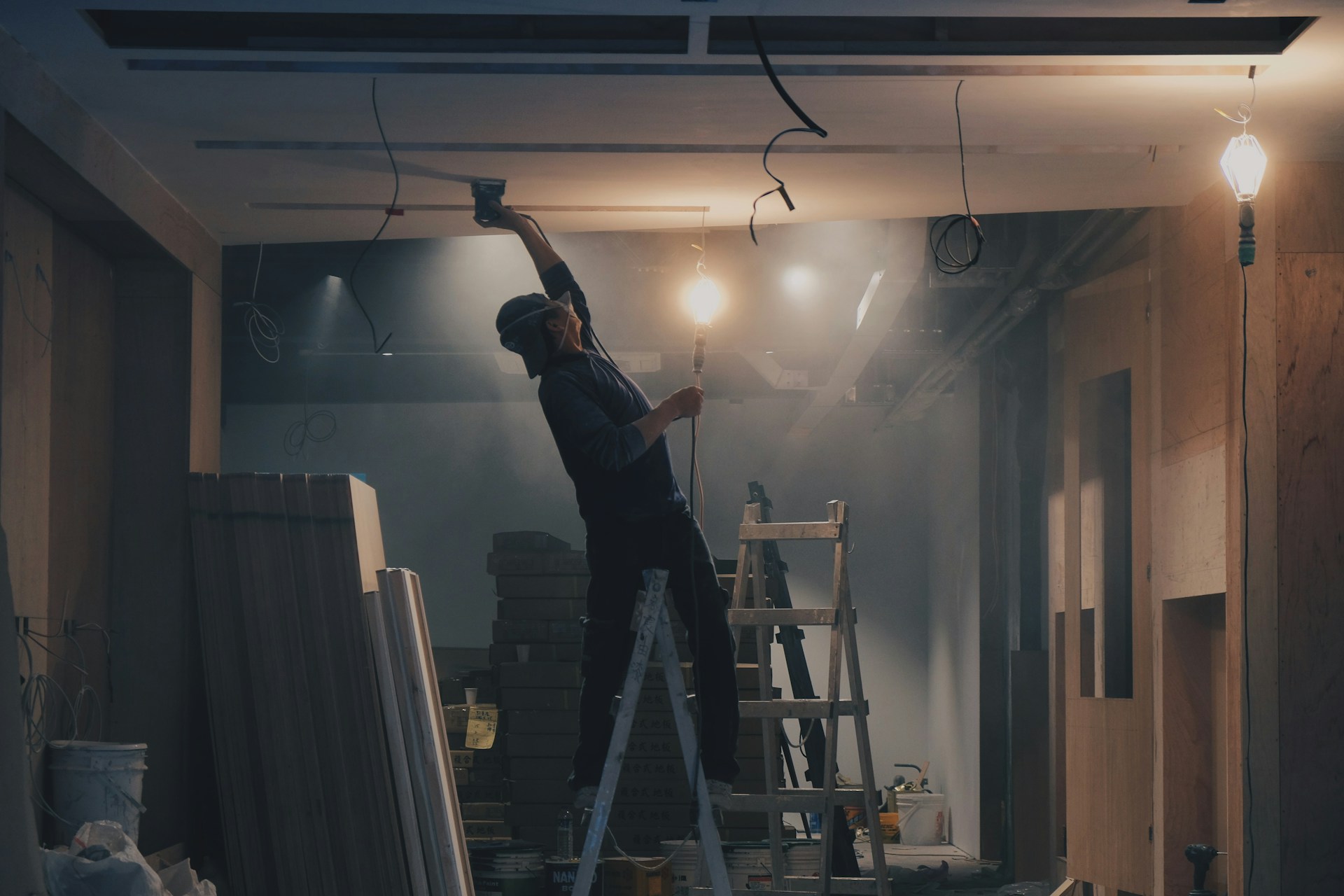
The plaster or skim coat can then be applied in suitable layers. The installer needs to maintain an even thickness and work carefully around corners, fittings and other ceiling features.
After application, the surface is allowed to dry or cure as required. Further finishing may be carried out where necessary to create the desired smoothness.
Before painting, the ceiling should be inspected for visible imperfections. Appropriate preparation and a suitable primer or sealer can help produce a more consistent decorative finish.
Why Surface Preparation Matters
Surface preparation is one of the most important stages of any plastering project. Even a high-quality finishing product cannot compensate for an unstable or unsuitable substrate.
Dust, grease, loose material and previous coatings can interfere with adhesion. Cracks or movement in the underlying ceiling may also cause defects to reappear after the new finish has been applied.
For this reason, an installer should inspect the ceiling before beginning work rather than immediately covering existing problems.
Water damage deserves particular attention. If a ceiling has experienced a leak, the source of the moisture should be resolved before decorative repairs are undertaken. Simply covering a damp or damaged area can conceal the underlying problem and may lead to further deterioration.
Can Rhinolite Ceilings Be Repaired?
In many situations, damaged or uneven plastered areas can be repaired rather than replacing the entire ceiling. The appropriate repair method depends on the cause and extent of the damage.
Small surface imperfections may require local filling and refinishing. Larger cracks, loose sections or areas affected by water damage require more careful assessment.
A repair should address the underlying cause where possible. For example, recurring movement or moisture problems may need to be resolved before cosmetic repairs are made.
After repairs have dried and been properly finished, the affected area can be prepared for painting. Matching the surrounding texture and paint finish may require careful preparation to minimise visible differences.
How Important Is Professional Workmanship?
Plastering and ceiling finishing can look straightforward, but achieving a consistent result requires practical skill. The material needs to be mixed and applied appropriately, while the surface must be finished evenly.
Poor workmanship can result in visible ridges, uneven areas, cracking, surface marks or differences in texture. These imperfections may become even more noticeable once the ceiling has been painted.
Professional installers can also identify issues that may not be obvious to a property owner. Problems involving moisture, substrate condition, movement or previous repairs can affect the durability of the finished surface.
For larger projects, it is sensible to establish the scope of work before installation begins. This can include the preparation required, materials to be used, areas that will be repaired and the expected finishing standard.
What Should Property Owners Consider Before Installation?
The existing ceiling should be inspected carefully before any finishing material is ordered. A visual assessment can help determine whether the surface is suitable or whether repairs are required first.
The room’s environment should also be considered. A dry bedroom and a moisture-prone area may require different approaches.
It is also useful to consider the future decorative finish. If the ceiling will be painted, the required level of smoothness and preparation should be discussed beforehand.
Cost is another consideration, but the cheapest quotation does not necessarily represent the lowest overall cost. A quotation that excludes important preparation or repair work can become more expensive if additional work is required later.
How Should a Finished Ceiling Be Maintained?
Once the ceiling has been completed and painted, routine maintenance is generally straightforward. Keeping the surface clean and monitoring for changes can help identify potential problems early.
Marks and light surface dirt can often be dealt with during normal interior cleaning, provided the paint manufacturer’s recommendations are followed.
Property owners should also watch for warning signs such as new cracks, discolouration, bubbling paint or damp patches. These may indicate an underlying issue rather than simply a decorative problem.
If a ceiling develops recurring defects, identifying the cause is usually more important than repeatedly covering the affected area.
Rhinolite Ceilings and Interior Design
A smooth ceiling can influence how an entire room looks. Because it provides a relatively uniform surface, a plastered ceiling can complement different paint colours, lighting arrangements and interior styles.
Recessed lighting, pendant fittings and other fixtures can also be incorporated into many ceiling designs, subject to the requirements of the underlying structure and electrical installation.
For renovation projects, a refreshed ceiling finish can make an older room appear cleaner and more contemporary without requiring major structural changes.
However, design decisions should be made alongside practical considerations. Lighting, access to services, ventilation and the existing ceiling structure all need to be taken into account.
Key Points to Remember
- Rhinolite is commonly used as a plaster or skim-coat finish for creating smooth interior surfaces.
- A suitable substrate and thorough preparation are important for a durable result.
- Existing cracks, loose material and moisture problems should be addressed before finishing.
- The final surface can generally be painted once it has been properly prepared and dried.
- Workmanship can have a significant effect on the appearance and longevity of the finished ceiling.
- Moisture-prone areas may require products and construction methods specifically suited to those conditions.
- Regular inspection can help identify leaks, cracking or other problems before they become more extensive.
Choosing a ceiling finish is ultimately about more than the appearance of the completed surface. The condition of the existing ceiling, the environment, preparation requirements and quality of installation all influence the finished result. When these factors are considered from the beginning, a plastered ceiling can provide a clean and adaptable surface that works well with a wide range of interior spaces.